
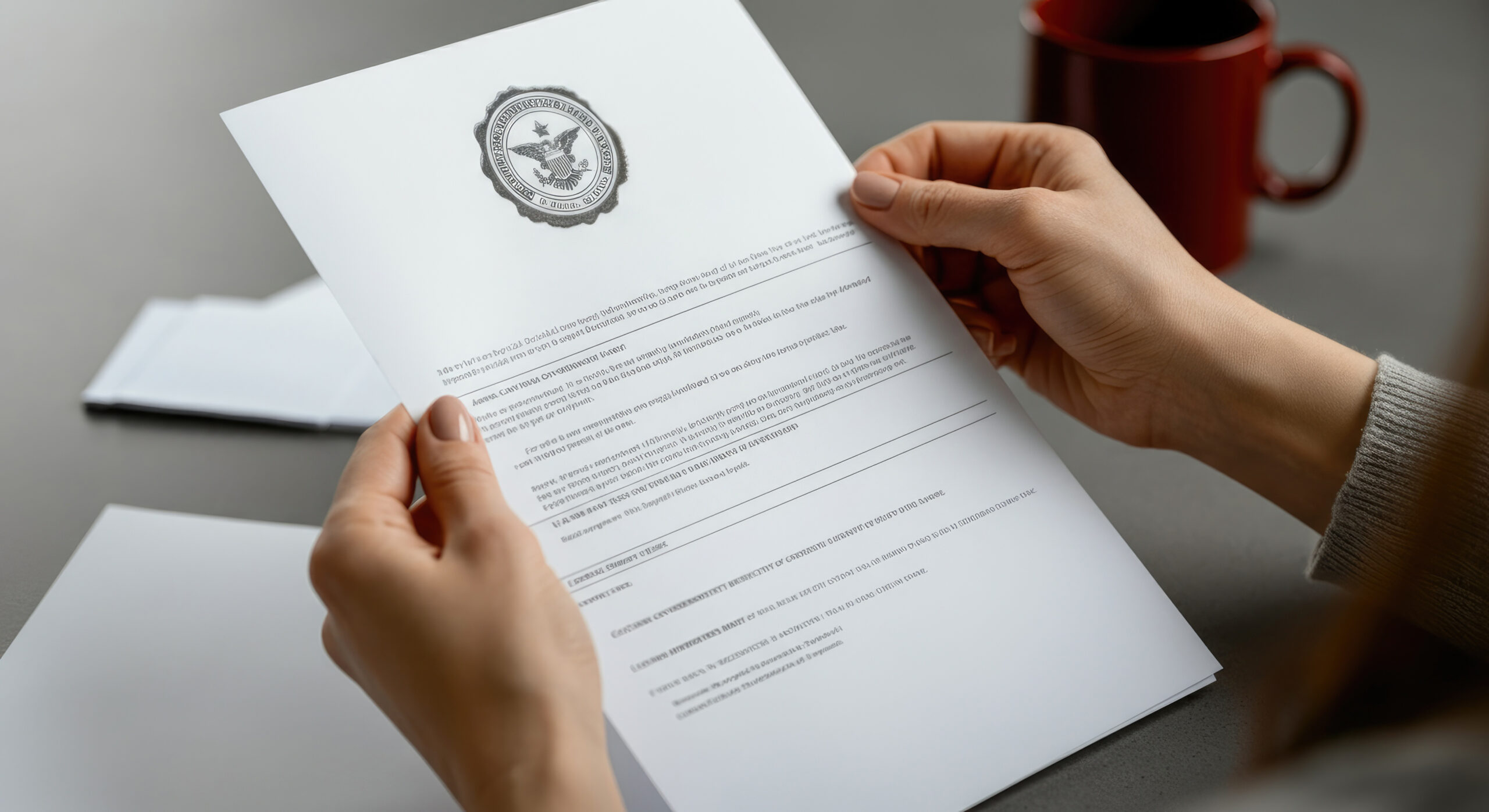
What It Is and Why It Matters
Delivering legal documents requires more than handing over paperwork. Courts require formal confirmation that service occurred correctly and in compliance with the law. This confirmation is called Proof of Service, and it plays a critical role in every legal case.
Attorneys, business owners, and individuals involved in legal matters rely on Proof of Service to avoid delays, dismissed cases, and procedural challenges.
What Is Proof of Service?
Proof of Service—often called an Affidavit of Service—is a legal document confirming that a process server delivered court papers to the intended recipient.
It confirms that:
- The correct documents were delivered
- The correct person or entity received them
- Service occurred at the correct location
- Service occurred on a specific date and time
- Service complied with state and local laws
The process server signs the document under oath and files it with the court.
Why Proof of Service Matters
Proof of Service protects the legal process and ensures cases move forward properly.
- Required by the Court
Courts will not advance a case without valid proof that all parties received proper notice. - Prevents Legal Challenges
Defendants may claim lack of notice without documented proof, which can invalidate hearings or judgments. - Preserves Due Process
Every party has the right to receive notice of legal action. Affidavit of Service confirms that right. - Avoids Delays and Dismissals
Errors or incomplete service often lead to postponed hearings or dismissed cases.
What Proof of Service Includes
A complete Proof of Service document contains:
- Case name and case number
- Court name and jurisdiction
- Description of documents delivered
- Name of the person served
- Date, time, and exact location of service
- Method of service (personal, substitute, posted, or other approved method)
- Identifying details of the recipient when required
- Name, signature, and credentials of the process server
Accuracy matters. Minor mistakes can create major legal problems.
Who Completes the Certificate of Service?
A qualified process server completes an Affidavit of Service. Professional servers understand local laws, court requirements, and service deadlines.
Professional process servers:
- Follow proper service procedures
- Meet legal deadlines
- Serve documents lawfully
- Provide court-ready documentation
Experience reduces risk and protects your case.
Common Methods of Service Documented
The Service may reflect different service methods, depending on the case and jurisdiction:
- Personal Service – Direct delivery to the individual
- Substitute Service – Delivery to a responsible adult at a residence or workplace
- Service by Posting – Posting documents at a location when court-approved
- Service by Mail – Used when legally allowed and properly documented
Each method carries strict legal requirements that must appear accurately in the proof.
After Affidavit of Service Is Filed
Once filed with the court:
- The defendant becomes legally notified
- Case timelines and deadlines begin
- Hearings, motions, and judgments proceed
Without proper filing, courts may pause or reject the case.
Why Choose Precision Process Server?
Precision Process Server delivers accurate, timely, and compliant service. Our team provides:
- Prompt delivery of legal documents
- Detailed, error-free Proof of Service
- Full compliance with state and local laws
- Clear communication and status updates
Proper service keeps your case moving forward.
Final Thoughts
Proof of Service forms the foundation of the legal process. It protects rights, supports due process, and allows courts to function efficiently.
For reliable, professional service and court-ready Proof of Service, trust Precision Process Server.
📞 Contact us today to serve your documents correctly, promptly, and with confidence.